Experts of South Asia WaterAid during a visit to WaterAid projects and community engagement in Khulna, Bangladesh.

By Muhammad Haris
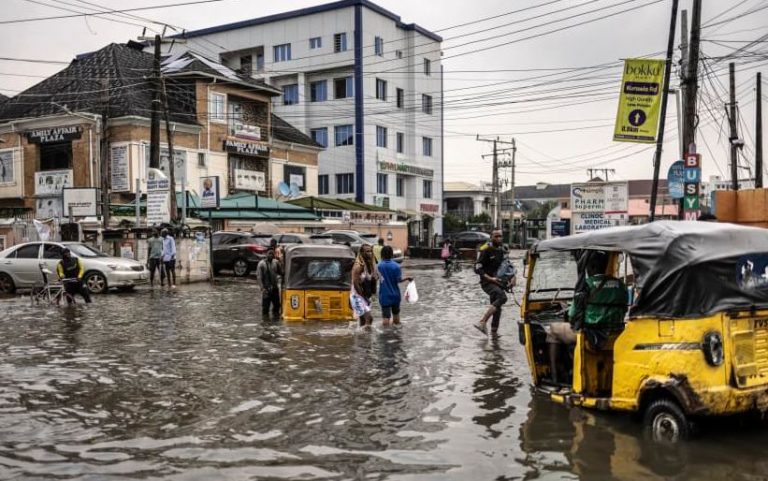
Climate change is no longer just a subject discussed by environmental experts in Pakistan. Its effects are increasingly being felt in the daily lives of ordinary people. In some areas, extreme heat has disrupted normal routines, while in other places unusual rainfall and floods have damaged homes, crops and livelihoods. At the same time, glaciers, forests and water resources in the country’s northern regions are also facing growing pressure from changing weather patterns.
The glaciers of northern Pakistan are an important source of water for the country. Rising temperatures can accelerate glacier melting. While increased melting may initially appear to provide more water, it can create serious risks in the long term.

Rapid melting can increase the possibility of sudden floods, while the gradual loss of glacier reserves could eventually affect the availability of water in rivers and irrigation systems.
The consequences of water scarcity would extend far beyond rivers. They would directly affect agriculture and everyday life.
A large part of Pakistan’s population depends on agriculture, and reduced water availability could affect crop production. Difficulties in irrigation may place additional pressure on farmers and could contribute to higher food prices. Urban communities may also face increasing challenges in accessing clean drinking water.
Forests are another major part of the country’s natural environment that is vulnerable to climate change. Rising temperatures, drought, forest fires and changing rainfall patterns can damage forests and ecosystems. The loss of forests not only threatens biodiversity but can also increase soil erosion and the risk of flooding. Forests help absorb rainwater and regulate local temperatures, making their protection an important part of Pakistan’s response to climate change.


The human cost of climate change is equally significant. When water resources, forests and agricultural land are affected, people’s livelihoods are directly threatened. Farmers, herders, fishermen and communities dependent on forests can be particularly vulnerable. In some areas, people may eventually be forced to move from their traditional homes in search of employment, water and basic services.
Environmental expert Dr Shakeel Hayat, Climate and WASH Adviser at South Asia Water Aid, says that rising global temperatures and changes in sea temperatures are affecting weather patterns. He stresses that Pakistan is among the countries vulnerable to climate change and that effective planning, tree plantation, better water management and preparedness for natural disasters are essential to reduce the risks.
Addressing climate change requires greater attention to the protection of glaciers, forests, rivers and water reservoirs. Along with plantation, existing forests must be protected, water resources should be used responsibly, irrigation systems need improvement, and early-warning mechanisms for floods and glacier-related hazards should be strengthened.
Climate change is not a problem that developed overnight, and its effects cannot be reversed overnight either. However, timely action can reduce the risks facing future generations. Protecting a forest, saving a tree and preventing the unnecessary wastage of even a small amount of water today could help protect lives and livelihoods tomorrow.
About The Author