US-Iran war
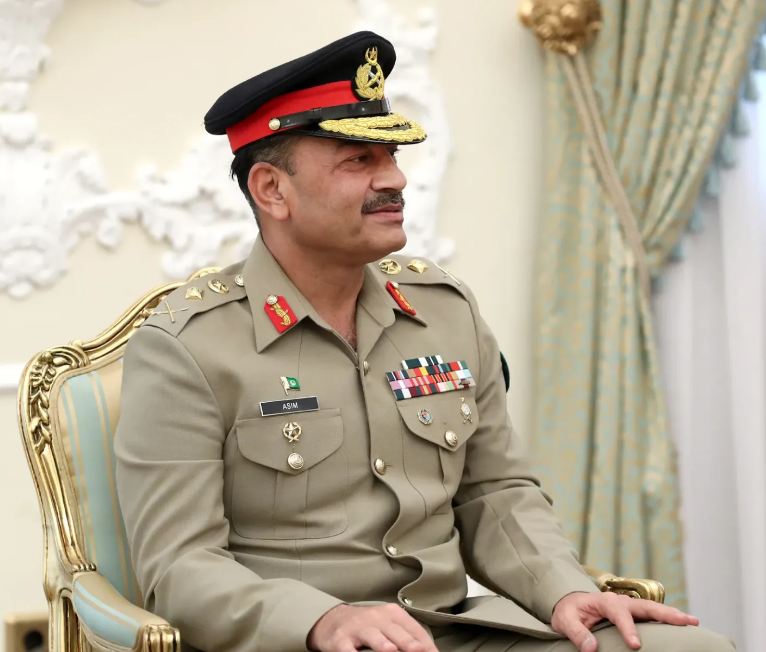
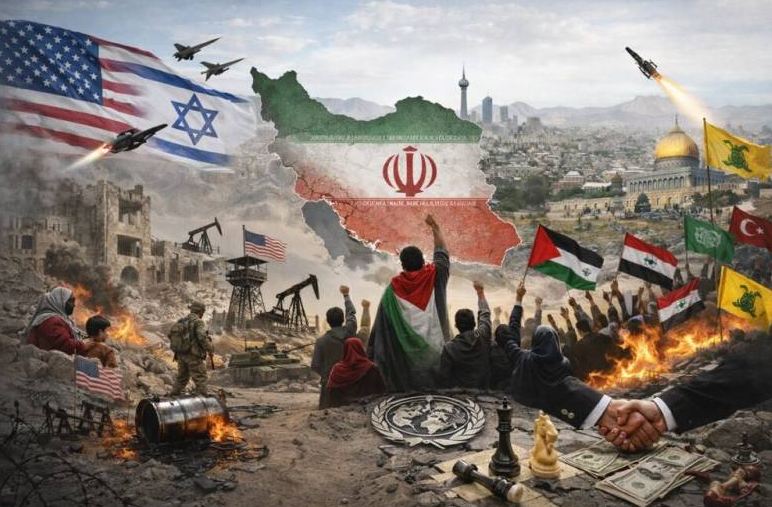
In the context of ongoing tensions between the United States and Iran, the recent announcement of an extension in the ceasefire is undoubtedly a positive development, giving rise to cautious optimism not only in the region but across the world. The decision by US President Donald Trump to extend the ceasefire-reportedly made at the request of Pakistan’s Prime Minister Shehbaz Sharif and Field Marshal Asim Munir-reflects Pakistan’s re-emergence as an effective and responsible actor in global diplomacy.
This development has come at a time when the Middle East continues to grapple with persistent instability and uncertainty. Although Iran has viewed the extension of the ceasefire with skepticism, describing it as a temporary tactical move, the international community-particularly United Nations Secretary-General António Guterres-has welcomed the step, calling it an important opportunity for diplomacy.
It is an established reality that the success of any ceasefire depends not merely on its announcement, but on its implementation, mutual trust, and meaningful negotiations. At present, the lack of trust between the United States and Iran remains the greatest obstacle. Iran’s reservations and doubts regarding the ceasefire highlight the fact that unilateral measures alone cannot guarantee lasting peace. For that, both sides must come to the negotiating table on equal footing.
Another highly significant dimension of this situation is its connection to the global economy and supply chains. The Middle East is the hub of the world’s energy resources, and any instability in the region leads to uncertainty in global markets, rising oil prices, and disruptions in supply systems. The current crisis has already impacted global supply chains, with far-reaching consequences.
If the extension of the ceasefire can be transformed into lasting peace through effective diplomacy, it could restore the flow of oil and gas, stabilize global trade, and reduce economic volatility. This, in turn, could help lower inflation, boost industrial production, and provide much-needed support to developing economies.
Pakistan’s role in this entire process is of considerable importance. At a time when major powers appear to be on the brink of direct confrontation, Pakistan has stepped forward as a responsible mediator. This diplomatic achievement not only strengthens Pakistan’s global standing but also demonstrates that small and medium-sized countries can play a crucial role in promoting world peace.
However, it would be premature to declare this development a final success. The real test will begin when the United States and Iran sit down for formal negotiations. These talks will involve complex issues such as regional security, economic sanctions, and military activities—matters that are not easy to resolve.
The world stands at a critical juncture where a single right decision could ensure global peace, while a wrong move could lead to widespread destruction. Therefore, it is essential for all parties to demonstrate patience, restraint, and foresight. The extension of the ceasefire is not merely a pause-it is an opportunity, if squandered, its consequences could be disastrous, not just for the region, but for the entire world.
For the sake of global peace, economic stability, and integrated supply systems, it is imperative that these diplomatic efforts prove to be sustained and fruitful. – By Mahmood Iqbal
About The Author