By Gul Naaz
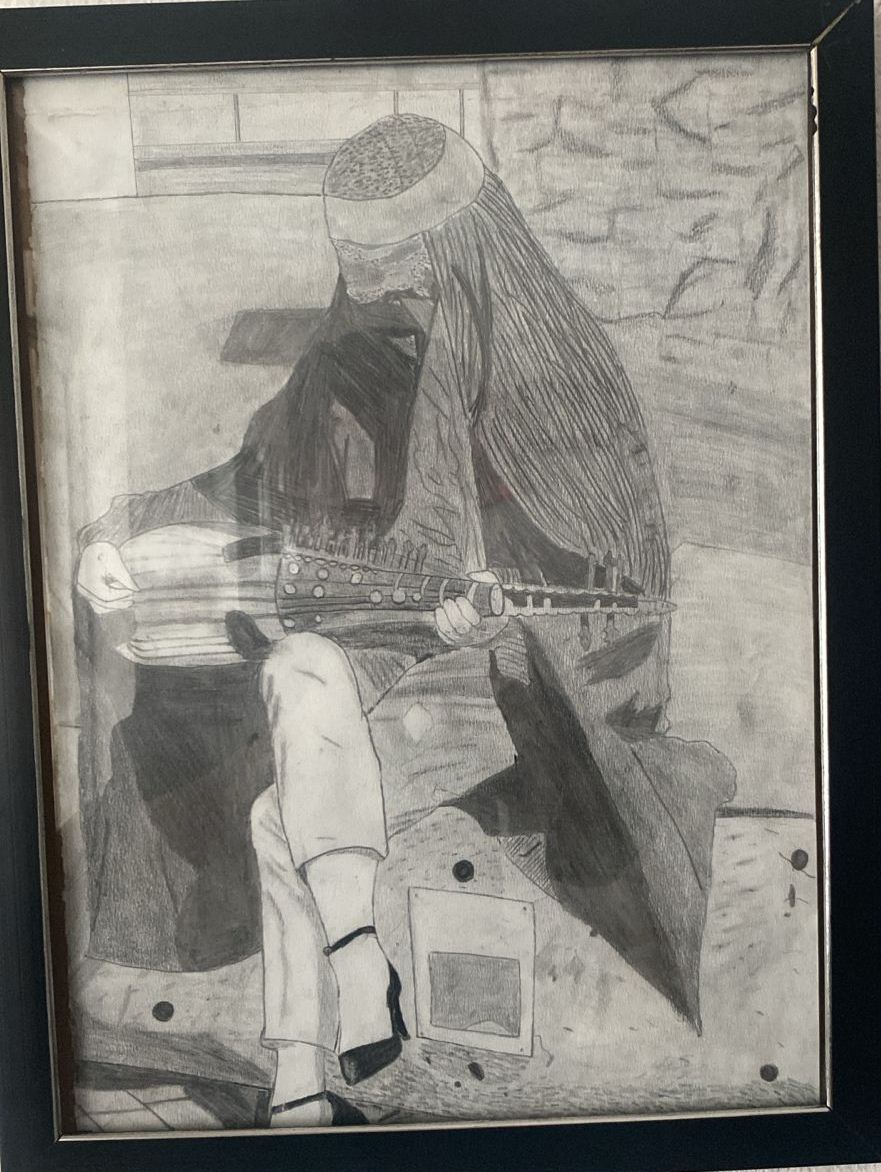
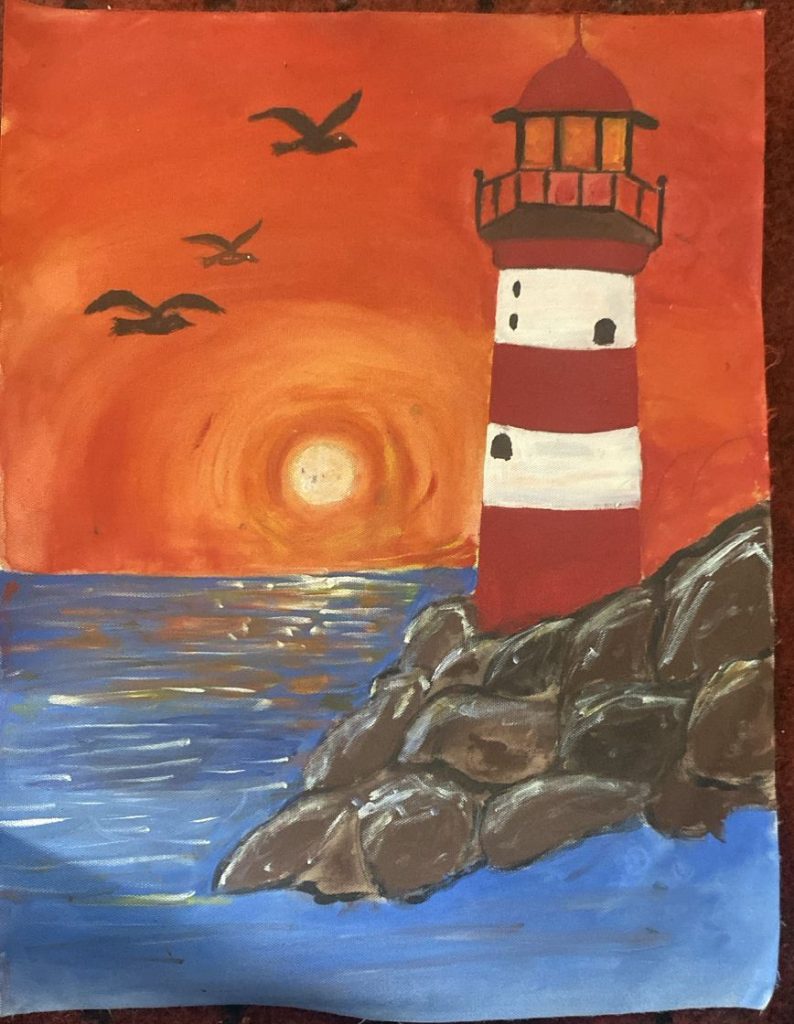
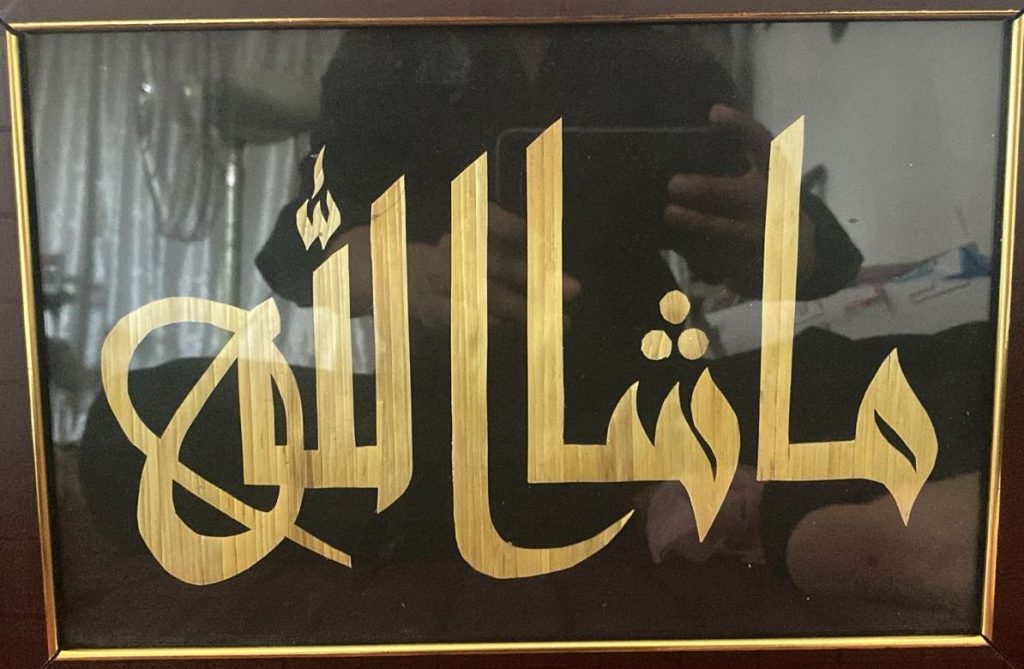
BUNER, KHYBER PAKHTUNKHWA: Amid the rugged mountains and serene landscapes of Buner, a remote district tucked away in Khyber Pakhtunkhwa province, 25-year-old Shabir Khan is quietly making waves through the power of creativity – colours, pencil portraits, Islamic calligraphy and wheat straw art.
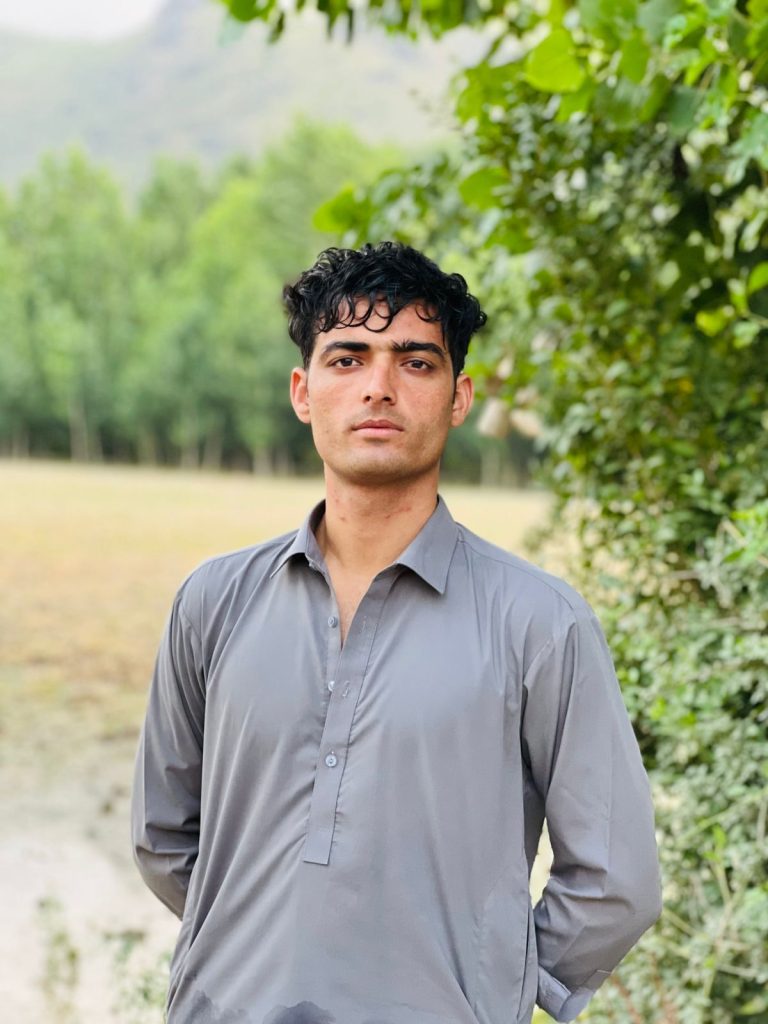
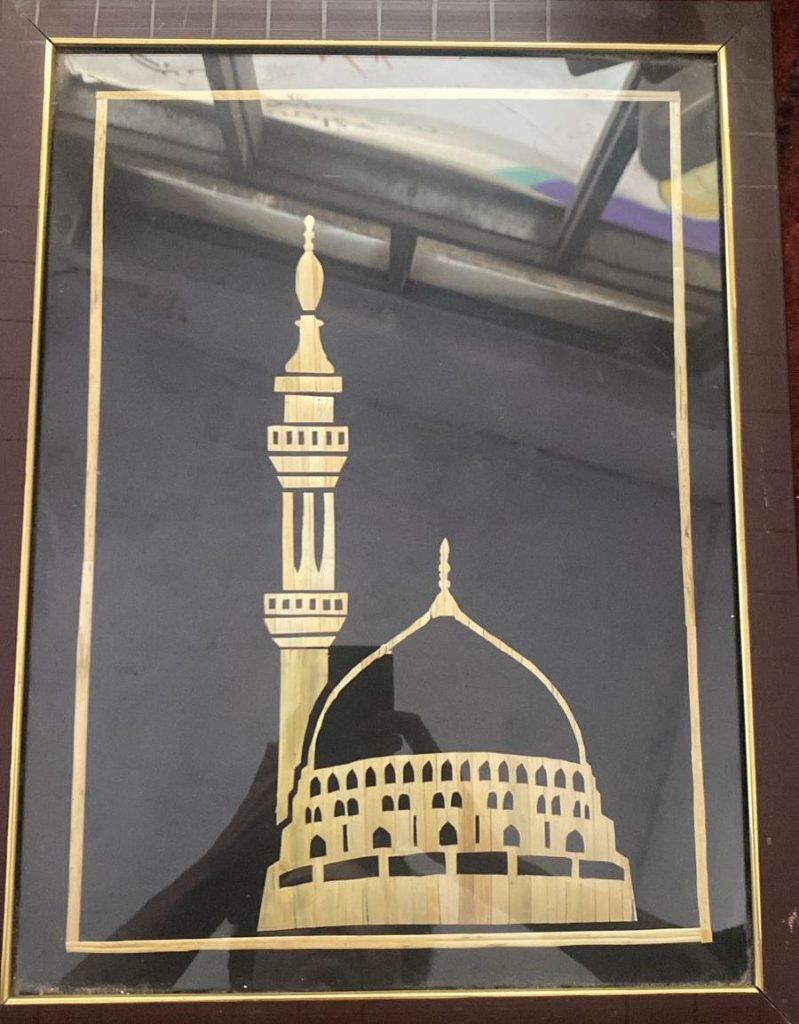
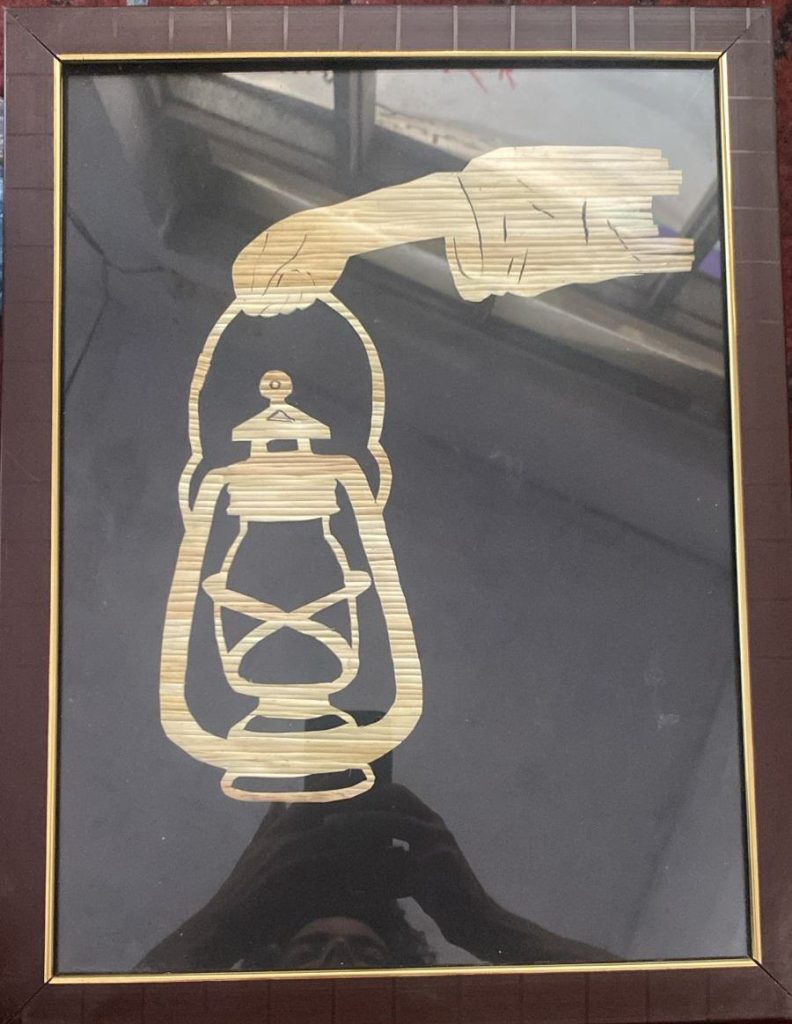
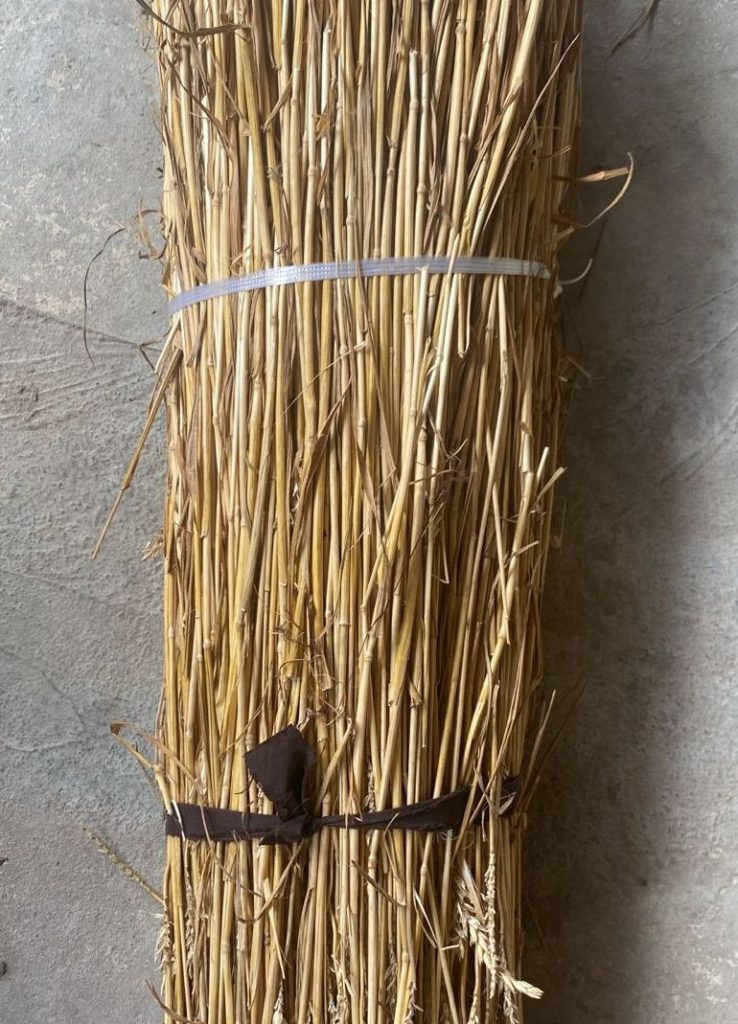
Shabir’s artwork is a rich blend of tradition and innovation. From intricate Islamic calligraphy to breathtaking portraits, natural scenery, and even animal figures, his work reflects a deep connection to the culture and beauty of towering mountains and winding roads of Buner. But what truly sets him apart is his mastery of wheat straw art – a rare and delicate craft he began experimenting with in 2019, inspired by a Chinese artist he came across online.
Born to an architect father in the small village of Karapa in Daggar tehsil, Shabir’s journey began not in an art studio, but in the humble pages of his school notebooks. As a child, he would sketch pencil portraits of national heroes like Allama Iqbal and Quaid-i-Azam Muhammad Ali Jinnah, often drawing the admiration of classmates and teachers alike. But what started as a childhood pastime has now blossomed into a powerful form of self-expression – and recognition.
“I didn’t have galleries or mentors growing up,” Shabir says. “But nature has always been my teacher.”
“I was fascinated by the technique. I started with simple pieces and slowly improved through practice. People were surprised to learn I taught myself,” he says.
Shabir’s path hasn’t been without its hurdles. Growing up in a joint family of 20 members, including six brothers and four sisters, he stood out not only for his creativity but also for his quiet determination. While some of his brothers work abroad and in government jobs, his sisters were unable to pursue formal education due to traditional constraints – a reality Shabir hopes to change for future generations through his art and community efforts.
After attending local government schools, Shabir went on to earn a Bachelor’s degree in political science from the University of Buner, graduating with distinction and earning a scholarship for academic excellence.
Despite the lack of formal art education, Shabir’s natural talent and deep observation of his surroundings shaped his artistic vision. “Colours, architecture, music, even Buddhist sculpture from Swat – they all inspired me,” he explains. “Art is not just technique. It’s emotion, thought, and imagination.”
For Shabir, art is more than just a passion – it’s therapy. “Creating art gives me peace. It reduces stress, connects me to nature, and brings me happiness,” he says.
Over the years, his work has gained traction on social media platforms like Instagram and Facebook, catching the eye of regional media and cultural circles. His big break came when he was invited to exhibit his work at a youth art exhibition in Peshawar, where his piece was specially recognized for its “cultural storytelling through visual art”.
With growing recognition, Shabir now uses his art as a source of both income and impact. “What I earn helps cover my expenses, and I also use part of it to support climate change awareness – through tree planting and environmental campaigns,” he shares.
Shabir dreams of formal training in fine arts and hopes to open an art center in Buner one day – a space where young people can explore their creativity, regardless of their background.
“There is so much untapped talent here,” he says. “All we need is a little support.” In a region often overshadowed by economic hardship and limited opportunities, Shabir Khan’s story is a powerful reminder that creativity thrives even in the remotest corners – and that one artist’s vision can spark change, one brushstroke at a time.
About The Author