Written and Photographed by Gulnaz (Special Correspondent)
Thousands of Afghan refugees living in Pakistan – especially students – are currently facing deep anxiety and psychological stress. A looming September 1 deadline hangs over their heads like a sword, after which forced repatriation is being considered. While this decision stems from official state policy, its effects are rippling not only through educational institutions but also shattering the innocent dreams of Afghan students who had hoped for a better future.
I was born and raised here
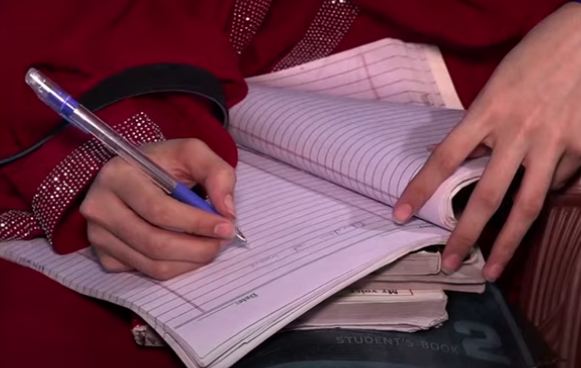
Sixteen-year-old Bahishta Shujai, a resident of Peshawar and a 12th-grade student from an educated Afghan family, questions what crime she is being punished for. She was born and raised in Pakistan, studied here – and now, she asks, why must she leave her life and dreams unfinished to return to a country where girls are banned from receiving an education?
“I want to become a lawyer, so I can serve my people and humanity, but it seems that dream will remain just a dream,” she said, her eyes filled with tears.
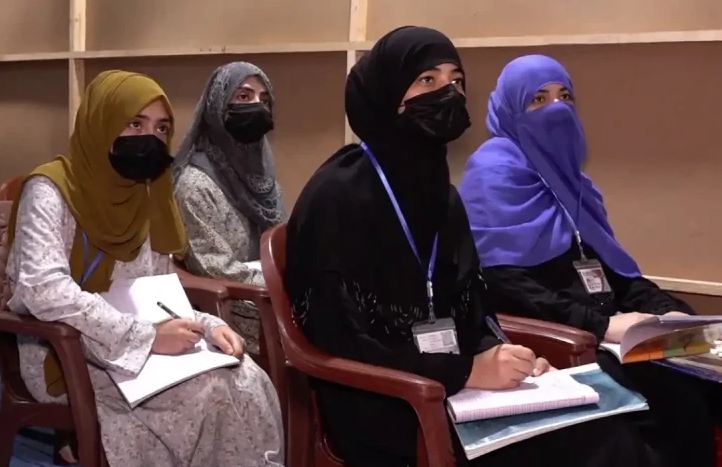
Bahishta explained that her parents migrated to Pakistan 30 years ago from war-torn Laghman province of Afghanistan and settled in Peshawar. Her mother is a teacher who educates Afghan girls at a local school. She says if the repatriation order is enforced, her education will be interrupted and her family’s livelihood will be lost. “If other countries grant citizenship after such long stays, why can’t Pakistan do the same – especially for those who have been here for decades?” she asked.
Abu Bakr Siddiq, a student at Laisa Imam Abu Hanifa in Peshawar, shares the same concerns. He says there are 650 students at his institution, all at risk of losing access to education. The September 1 deadline not only casts doubt on the future of Afghan students, but also blocks their path to fulfilling educational aspirations.
“We need time to complete our academic certifications. It can take months to prepare essential documents. Making such a critical decision to return within such a short time is extremely difficult. This decision could leave entire generations uneducated,” he lamented.
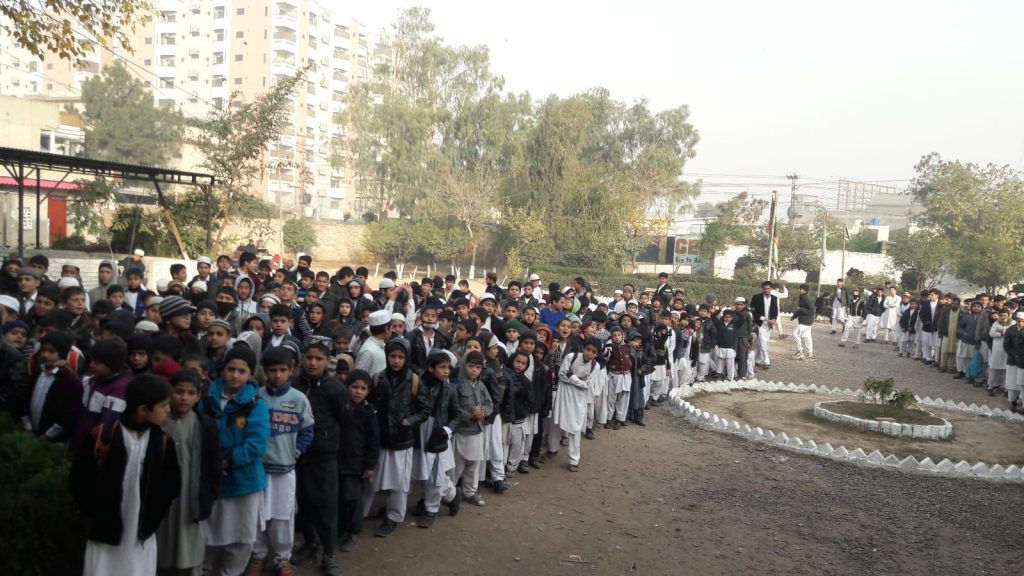
A school of broken dreams
At the Maryam Laisa school for Afghan girls in Peshawar, more than 400 girls are currently enrolled. All of them share one dream: to get an education and serve their people and humanity. But now, they find themselves caught in a state of uncertainty and despair. As the deadline approaches, the clouds of unpredictability grow darker. On one side lies the darkness of educational restrictions in Afghanistan; on the other, the fear of losing their right to stay in Pakistan.
The flame of knowledge
According to Fazal Mula Torkai, the principal of an Afghan educational institution, the Afghan nation has always endured hardship – living in darkness and resisting unfavorable conditions – but it has never allowed the flame of knowledge to extinguish.
“Thousands of students have graduated from our institution. Some became engineers, others doctors and teachers, and many entered other professional fields. Today, they are serving with dedication and impact. But current circumstances are dragging us back into darkness.”
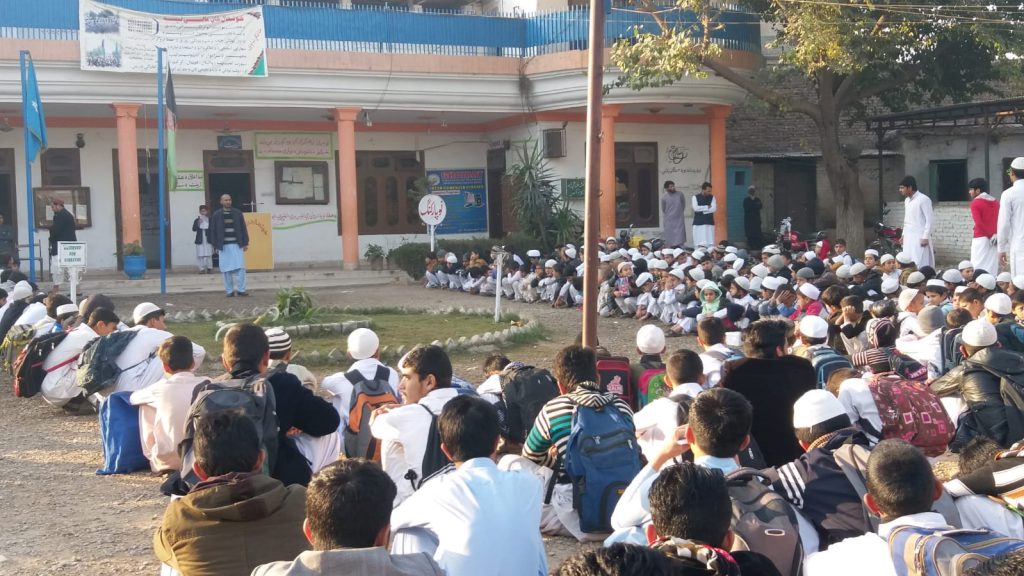
Fazal Mula also revealed that Afghan schools in Pakistan are facing severe financial crises. The number of students has dropped significantly, and many institutions have either shut down or are on the verge of closure.
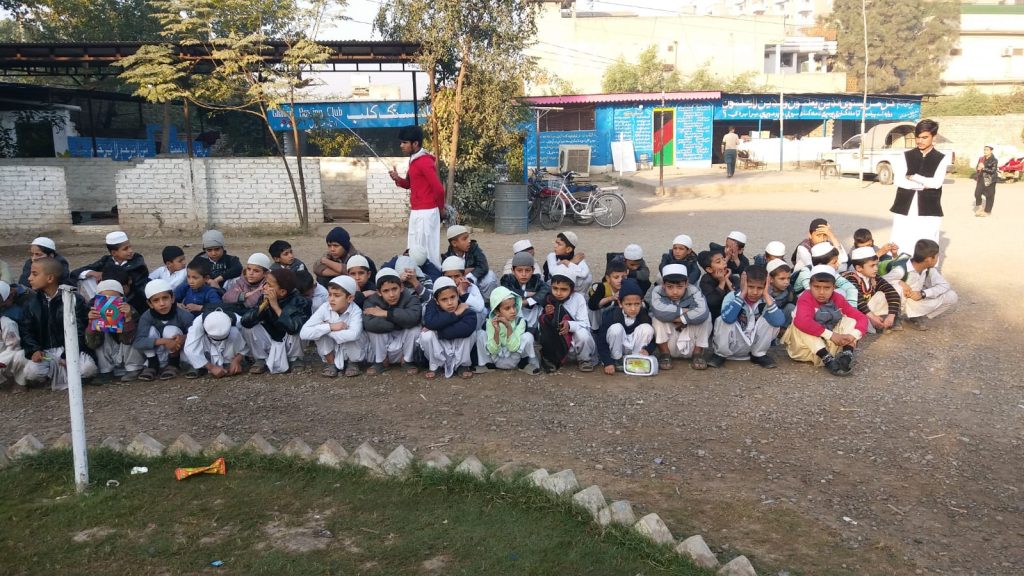
“Previously, we had around 700 students; now, we barely have 200. Most of them are orphans or from very poor families who can’t afford tuition. Covering their educational costs is an uphill battle, but we are committed to keeping the flame of knowledge burning,” he said.
According to sources in the Afghan Consulate in Peshawar, currently, 27 educational institutions in Pakistan are actively teaching Afghan students, while dozens of others have already closed.
A humanitarian crisis in the making
According to the United Nations, around 1.3 million Afghan citizens in Pakistan hold refugee registration cards, while 750,000 have Afghan identity cards. Despite this, they are being urged to leave the country by September 1.
The UNHCR (United Nations High Commissioner for Refugees) has warned that the situation is extremely delicate. It is estimated that over one million people – many of them children and students – could be affected by these policies.
Reportedly, the UNHCR has begun collecting data on Afghan students currently studying in Pakistan in an effort to devise a plan for their future should repatriation occur.
The pleas of students like Bahishta and Abu Bakr are not just individual cries of pain – they are questions for the collective conscience. On one hand, their lives are shadowed by uncertainty and invisible threats. On the other, their dreams of a brighter future are shattering.
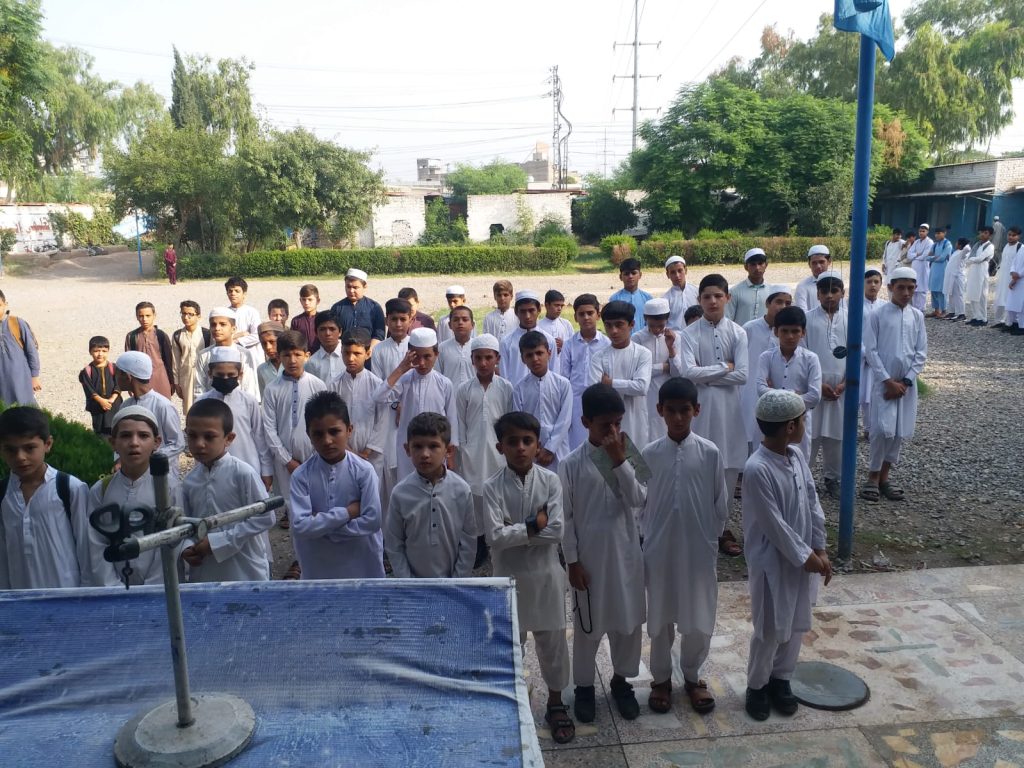
They argue that the issue of Afghan refugees must not be viewed solely through a security or political lens – it must be seen as a humanitarian issue. Especially for children and young people pursuing education, they must at least be allowed to complete their studies in Pakistan. Forcing them to abandon their education when the environment in Afghanistan is not conducive is not only a violation of human rights, but also a recipe for mental regression and the destruction of an entire generation’s future.
About The Author