Photo provided by the author
By Raheela Bibi
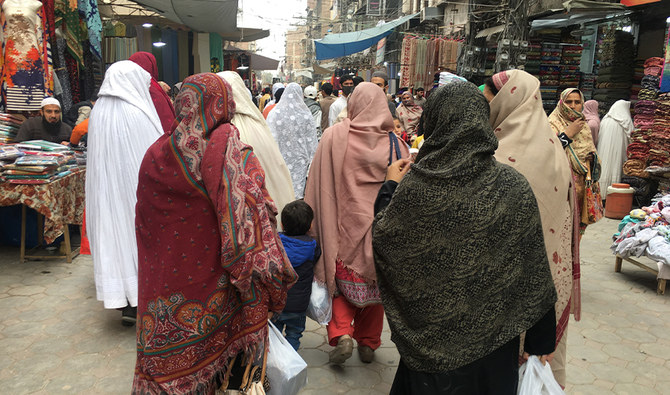
In the bustling city of Peshawar, Zareena Begum, a mother of seven daughters and one son, embodies the spirit of countless poor families across the nation, ensnared by ever-growing prices of essential commodities of life. Zareena stands as a touching reflection of the hardships faced by poor families grappling with the relentless inflation.
Zareena and her husband, who is a junior-level government employee, find themselves locked in a daily battle to put two square meals on the family’s table with the husband’s meager salary. What should have been a pursuit of education and opportunities for their children has become a distant dream, overshadowed by the need to make both ends meet.
The impact of price hike, however, is not uniform across the society. Pervasive class divide amplifies the emotional and psychological toll inflicted on the middle and lower strata. As the cost of essential goods skyrockets, feelings of grief, anger and even extremism take root among those most deprived. This unsettling sentiment perpetuates social imbalances and fuels criminal activity, underscoring the need for economic stability and fair distribution of resources.
In recent years, inflation has become a global concern. People worldwide grapple with the rising cost of living and escalating prices of basic necessities.
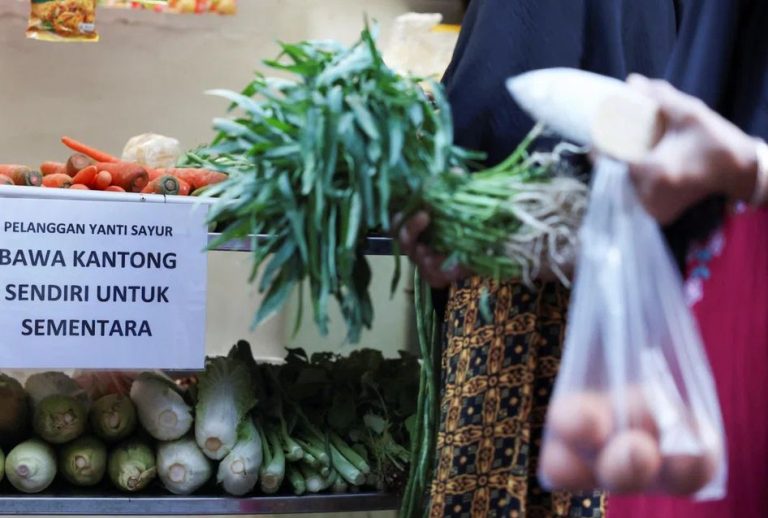
Experts in the field economics and population attribute this phenomenon to factors such as population growth and declining productivity leading to economic volatility. The recent surge in fuel prices, particularly petrol and diesel, has exacerbated the price situation across the board. Statistics from the Bureau of Statistics of Pakistan reveal a staggering 27.6 per cent increase in inflation in January 2023 as compared to the same period in the previous year. The surge in cost of living echoes through daily life, rendering essential items far beyond the reach of ordinary citizens. Basic commodities like meat, vegetables, pulses, and fruits have become a distant dream, further diminishing the quality of life for families like Zareena’s. Without sufficient sustenance, achieving social development remains an elusive dream.
About The Author