
KP govt’s efforts to combat climate change
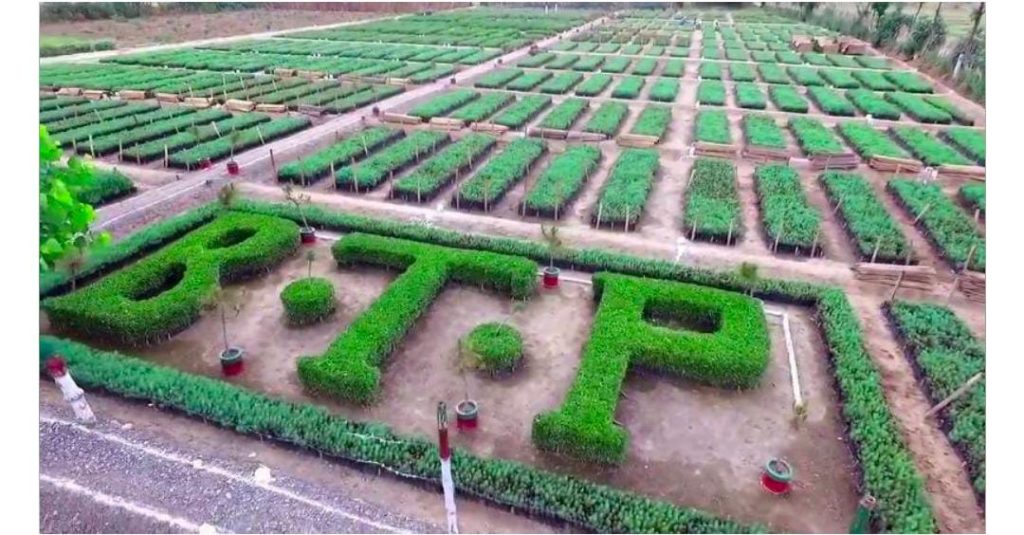
Billion Tree Tsunami project's nursery
By Zahid Usman
Pakistan, like many other countries, is severely affected by global warming. The country incurs an annual loss of $4 billion due to floods and other natural disasters. Despite contributing minimally to climate change, Pakistan bears a disproportionate burden, with experts attributing significant blame to neighboring India and China for their extensive coal usage, which adversely impacts Pakistan’s environment.
For instance, the burning of wheat residues in Indian Punjab leads to severe smog in Lahore, which shares a direct border with the region. This smog issue has now extended to the entire Punjab province and even Peshawar. Unseasonal rainfall and snow are accelerating the melting of glaciers, with experts predicting that up to 80% of glaciers in Pakistan may vanish by 2050, making it one of the most climate-vulnerable countries globally.
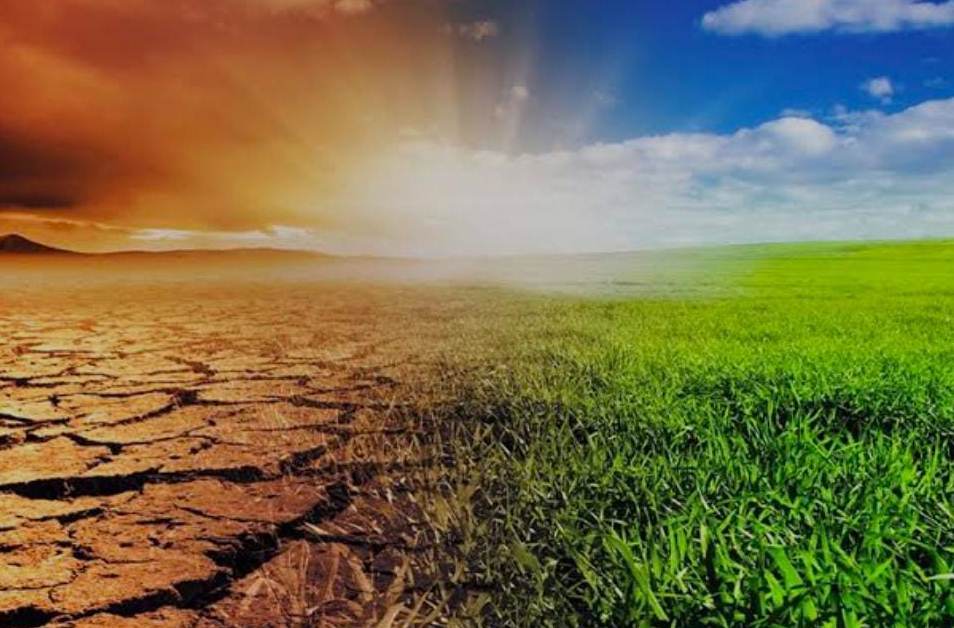
Tackling climate change through afforestation
Forests and eco-friendly initiatives are essential to counter climate change. Globally, it is recommended that 25% of a region’s land be covered by forests. Shahid Zaman, Secretary of Forestry, Environment, and Climate Change in Khyber Pakhtunkhwa (KP), revealed that forests currently cover 26.5% of the province’s area, surpassing international standards. KP’s forests constitute 45% of Pakistan’s total forest cover, which is a remarkable achievement.
Provincial government’s Billion Tree Tsunami afforestation project led to Trillion Tree Tsunami project – a follow-up initiative with a budget of Rs 7.5 billion, partially funded by the federal government.
Strict ban on deforestation
Comprehensive inquiries were conducted into social media reports of deforestation. However, 92% of KP’s forests are privately owned, complicating enforcement.
Urban forests and native planting
KP has established its largest man-made urban forest in Peshawar, with plans for expansion to improve the city’s environment.
Native fruit-bearing and flowering plants are prioritized for planting, while eucalyptus is used in arid and rugged areas due to its resilience.
Water crisis and recommendations
Dr. Jehan Bakht, Vice-Chancellor of Peshawar Agricultural University, highlights that Pakistan is heading towards a water crisis. Per capita water availability has plummeted from 7,500 cubic meters in 1972 to 1,117 cubic meters today, nearing the global danger threshold of 1,000 cubic meters. Without intervention, over 50% of Pakistan’s population could face clean drinking water shortages by 2030.
Solutions proposed:
Water Pricing: Increasing water costs to promote conservation.
Rainwater Harvesting: Collecting rainwater to prevent wastage, as KP alone loses PKR 400 billion worth of water annually to the sea.
Challenges and the Way Forward
Senior journalist Lehaz Ali notes that while KP’s climate initiatives are impactful, they require greater public involvement. The lack of communication between the Forestry and Environment Department and the public limits the success of these projects.
He emphasizes the importance of planting native and flowering plants to mitigate climate impacts and support the beekeeping industry. While KP leads provincial climate action, the federal government must launch nationwide awareness campaigns to mobilize public support and set an example for combating climate change on a global scale.
-The writer is a Peshawar-based journalist


