
Graveyard of dreams – The hopeful struggle of Afghan women
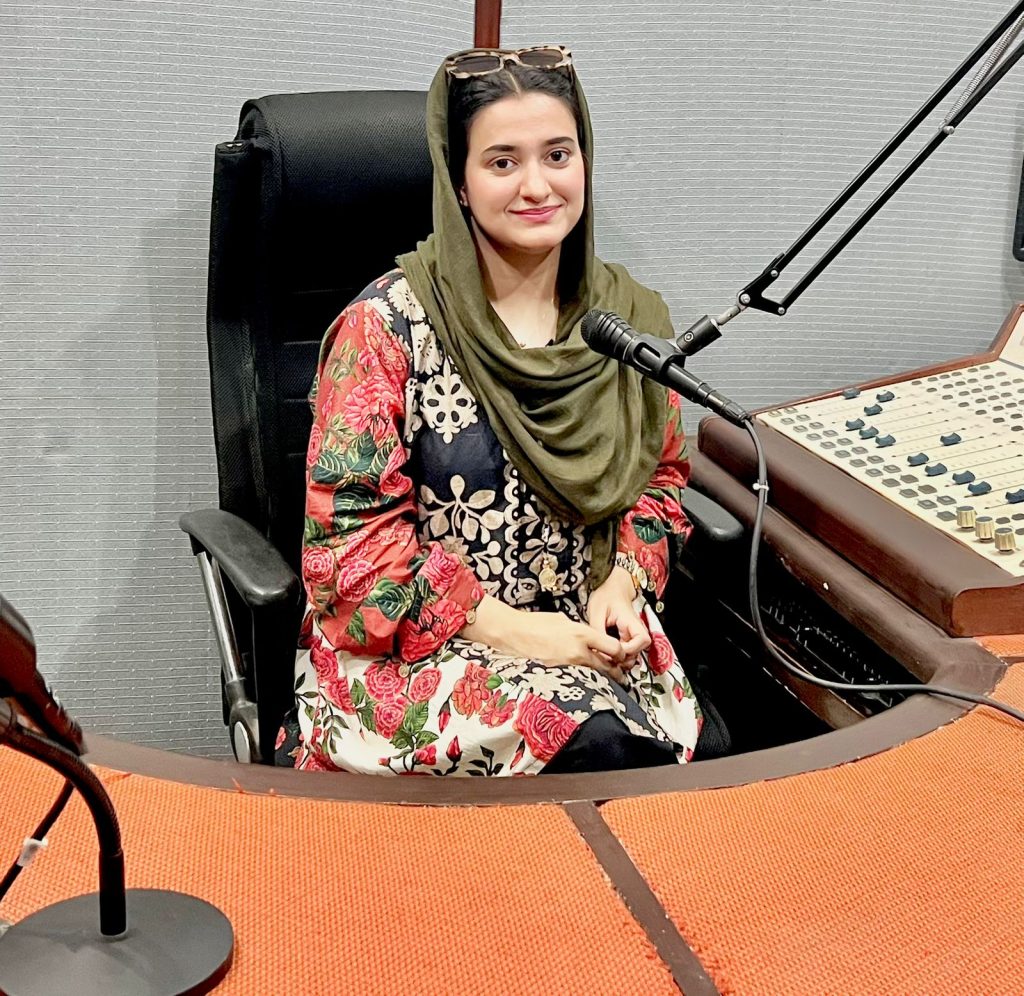
Afghan journalist Muska Safi
By Gul Naaz
Countless Afghan women and girls are silently burying their dreams and hopes deep in their hearts, waiting for a future that may never come. The turmoil and injustice within their own homeland have shut the doors of life, education, and employment on them. Although their childhoods, identities and rights have been stripped away – a tragedy that should shame humanity itself – the merciless circumstances have never been able to crush the resolve of courageous and visionary Afghans like Muska Safi.
Hailing from Afghanistan’s Laghman province, the determined Muska Safi made it her life’s mission to live through the power of education and the pen. She completed her early education at a well-known Afghan school called Laisa Bibi Zainab, and later pursued higher education at Peshawar University, where she earned a Master’s degree in Journalism. Since then, she has dedicated her life to advocating for women’s rights.
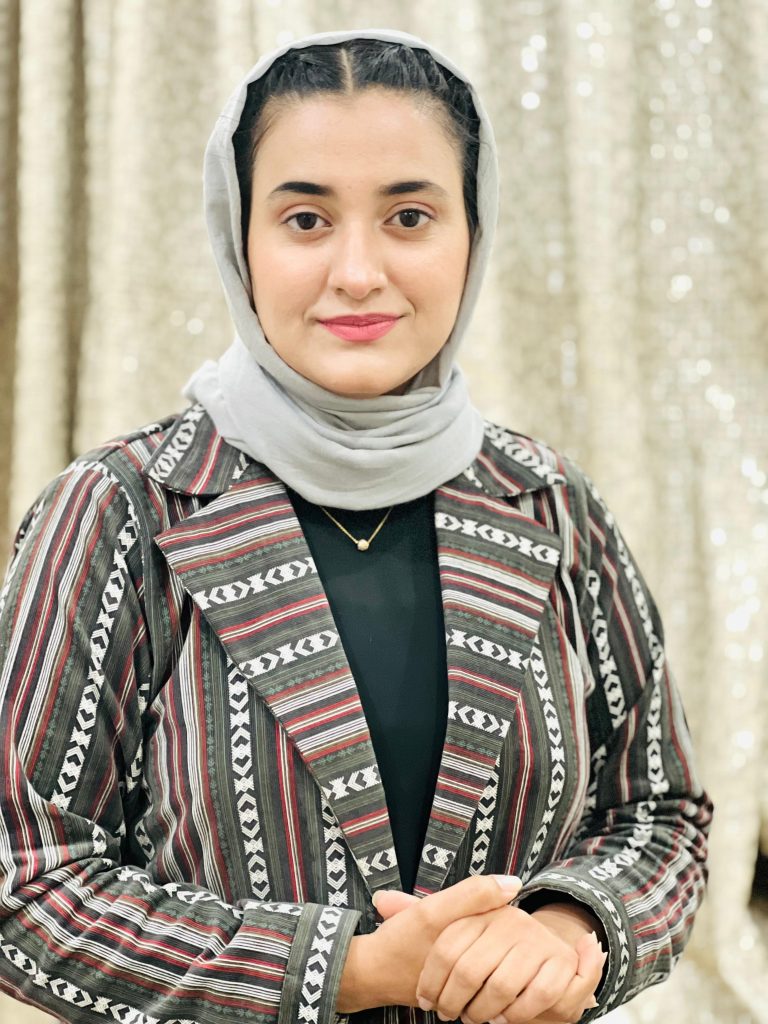
Muska has been working in journalism for the past six years. She says that living as a journalist is extremely dangerous. Her published investigative reports, analyses, articles, and documentaries have put her life at risk in unseen ways. According to her, Afghanistan is no longer a safe country, especially for educated women.
Sharing her thoughts, Muska says that while every country makes decisions based on its internal affairs and policies, forcibly deporting Afghan people – fleeing war and unemployment – back to such a dangerous environment is against the principles of humanity. She explains that there is no shelter in Afghanistan, no jobs, and a severe economic crisis has made life even more unbearable for returnees.
Describing the dire state of Afghan women, Muska says that women and girls generally do not have the freedom to work. She reveals that journalism is under intense restrictions, and even in many NGOs, women are not allowed to work.
Muska adds that their education has no relevance to their profession – even highly educated women are forced to work in factories just to survive. With a heavy heart, she asks: “If we stop working, who will support our families? If we stay at home, who will pay the bills? I cannot leave my profession, but every day brings a new and unknown danger.”
Muska also criticizes the current state of media in Afghanistan, saying: “Today, even men do not have the courage to speak the truth, how can women dare?”
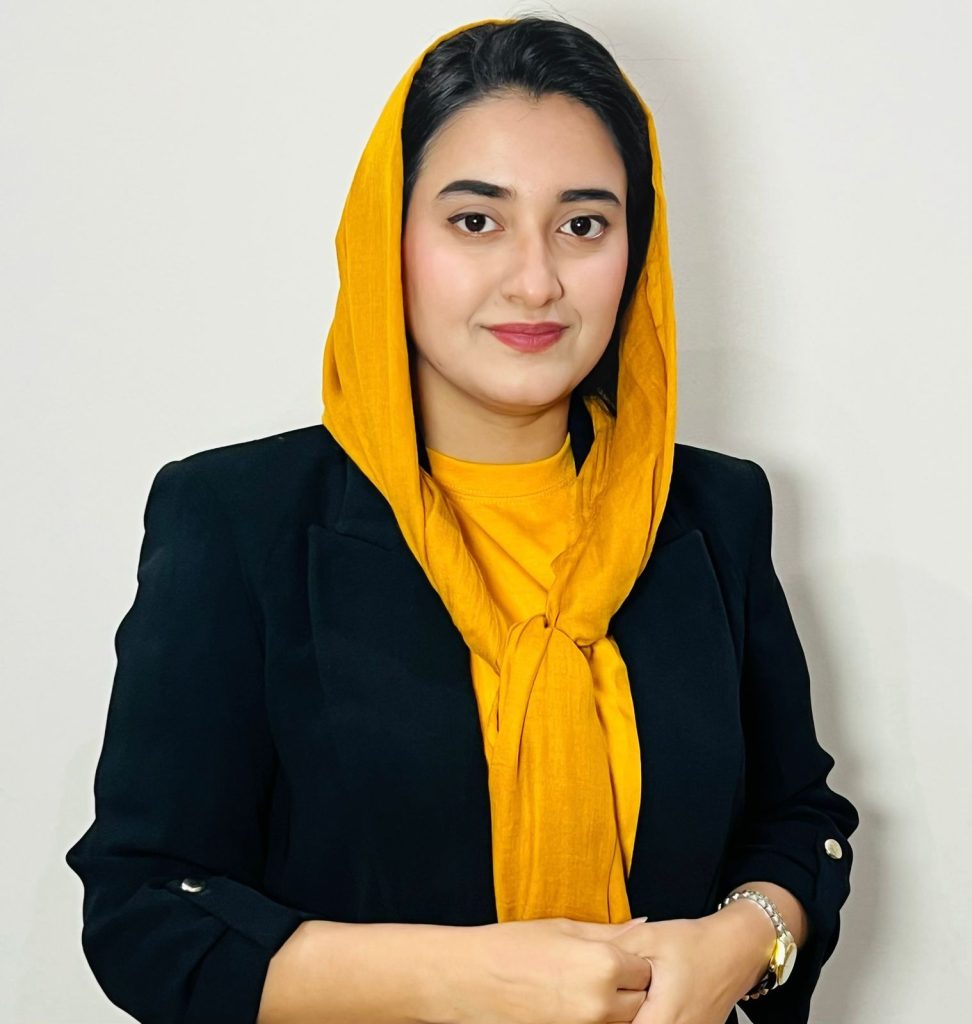
She explains that female journalists must hide their faces and work under extremely hostile conditions.
With a voice full of pain, she says: “Returning to Afghanistan is like walking into the jaws of death.”
According to her, the current situation in Afghanistan has closed every path to survival for women journalists, activists, and others in similar professions.
Regretfully, she says that many Afghan girls’ dreams and hopes have been left incomplete, and their futures are engulfed in darkness. “Like me,” she says, “many girls have buried their dreams. This pain is not mine alone – it belongs to an entire generation.”
Speaking about families where there is no male breadwinner and the entire household depends on a single girl, Muska becomes emotional. She says: “Those who claim Afghanistan is peaceful should look at the lives of those girls who have no work, whose families depend on them, and who receive no help. Should they beg for survival?”
Muska sends a serious message to the government of Pakistan, urging them to reconsider their decisions with compassion and justice, keeping in view the dire conditions of Afghan women and girls. She warns that if access to education and employment is denied, many lives will be destroyed, and futures will be lost.
She urges both Pakistan and Afghanistan to formulate a joint and transparent policy for women’s rights, education, and employment.
Muska Safi’s story is not just the pain of one woman – it represents thousands of educated Afghan girls and women who are being deprived of life, education, and a future due to war, unemployment, restrictions, and forced deportation. Muska is the voice of Afghan women, a voice that calls not just Pakistan, but the entire region to ensure women’s rights, jobs, and safe lives. According to her, decisions about women’s lives and futures should be made not just by law or politics, but based on humanity.


