
From the ‘City of Flowers’ to a hub of pollution – Peshawar’s changing face

Smoke billowing from the chimney of an industrial unit in Peshawar.
By Gul Naaz
Like other major cities of Pakistan, Peshawar – the capital of Khyber Pakhtunkhwa – which was once known as the “City of Flowers”, is now facing a crisis of environmental pollution, rising temperatures, and drought. Once adorned with fragrance and lined with lush green trees, this city has now lost its identity amid dust, smoke and increasing heat.
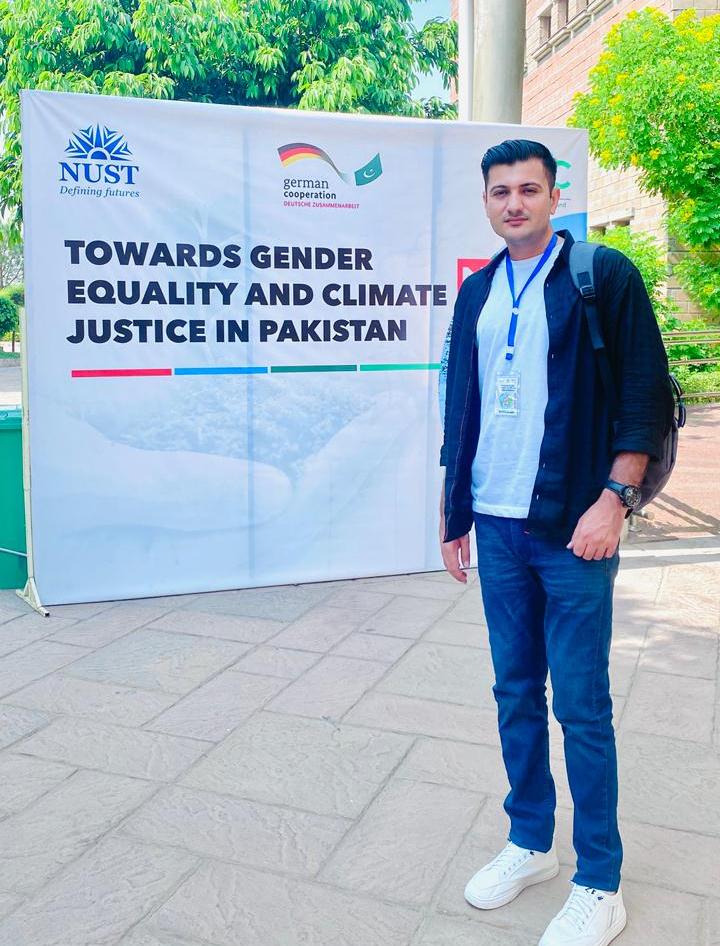
This is the view of 26-year-old Sadeeq Ur Rehman Safi, who hails from Kunduz province in Afghanistan but was born and raised in Peshawar. Sadeeq’s personal experience offers a living picture of the effects of climate change.

According to him, the rising temperature has not only affected the lifestyle but has also increased mental stress and intolerance among people. Due to extreme heat, it has become difficult for children, the elderly, and the sick to breathe, while reduced and untimely rainfall compared to the past has disturbed the city’s climatic balance.
Having completed a BS in Zoology from Islamia College University and a Diploma in Climate Change from the Institute of Management Sciences, Sadeeq Ur Rehman believes that the climate crisis is not merely a result of natural factors, but is deeply linked to human activities.
“Excessive use of vehicles, toxic emissions from factories, reckless deforestation and unplanned construction have destroyed the environment,” he says.
Since the Industrial Revolution, the amount of carbon dioxide in the atmosphere has increased by 40%. When trees are cut down, the process of absorbing carbon stops, which raises the earth’s temperature.
According to Sadeeq, this year’s heat, along with unexpected rains and floods, caused immense damage to lives and property, spreading devastation across Pakistan, Afghanistan and the entire region. After the floods, outbreaks of conjunctivitis (eye infections) and other diseases spread in Peshawar and surrounding areas. Sadeeq himself suffered from an eye disease that affected his sleep, diet and mental peace.
“This is not just my story, but the story of thousands of people who are suffering from illness, poverty and mental stress due to climate change,” he explains.
He adds that irregular rainfall, sudden floods, and prolonged drought have severely affected not only human health but also agriculture, livestock, and the local economy. Crops are being destroyed, food shortages are increasing and the decline in the number of trees has weakened the natural system that provides clean air.
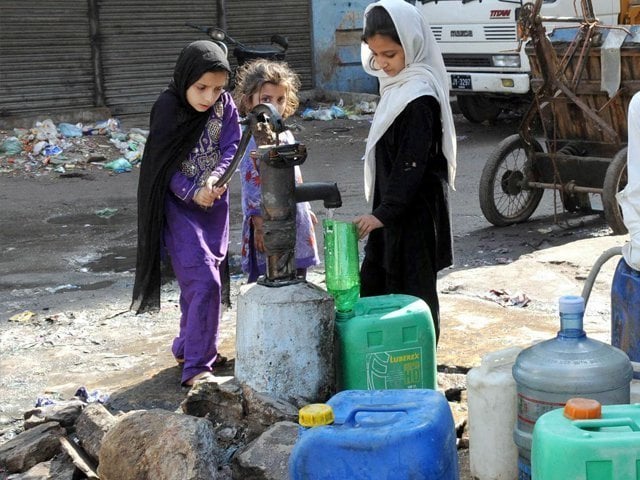
Sadeeq emphasizes that the negative impacts of climate change are most severe on women and children. In rural areas, women are usually responsible for fetching water for their households and when rainfall decreases or drought occurs, they must walk miles to collect water. This not only affects their health but also places a heavy burden on their time and energy. Meanwhile, food scarcity is harming children’s growth and men’s mental health.
“This crisis is not only environmental, but also physical, economic, and psychological,” Sadeeq says.
He believes that every individual should take positive steps in daily life to protect the environment – whether by planting trees, using vehicles less or spreading awareness among others. He calls on the government and institutions to promote environmental education and awareness through schools, universities, TV channels and public debates, and to include it as a part of the curriculum.

“If we protect the environment, it will protect us. But if we destroy it, our lives will also be destroyed,” he warns. The story of Peshawar – once the City of Flowers – raises a valid question whether we will be able to act in time to save our environment?


