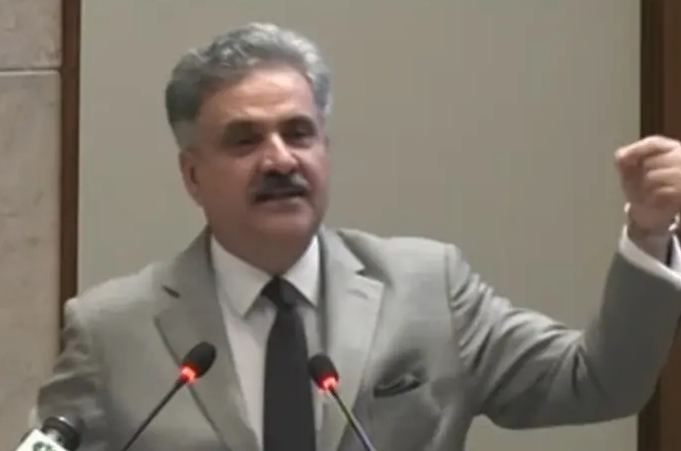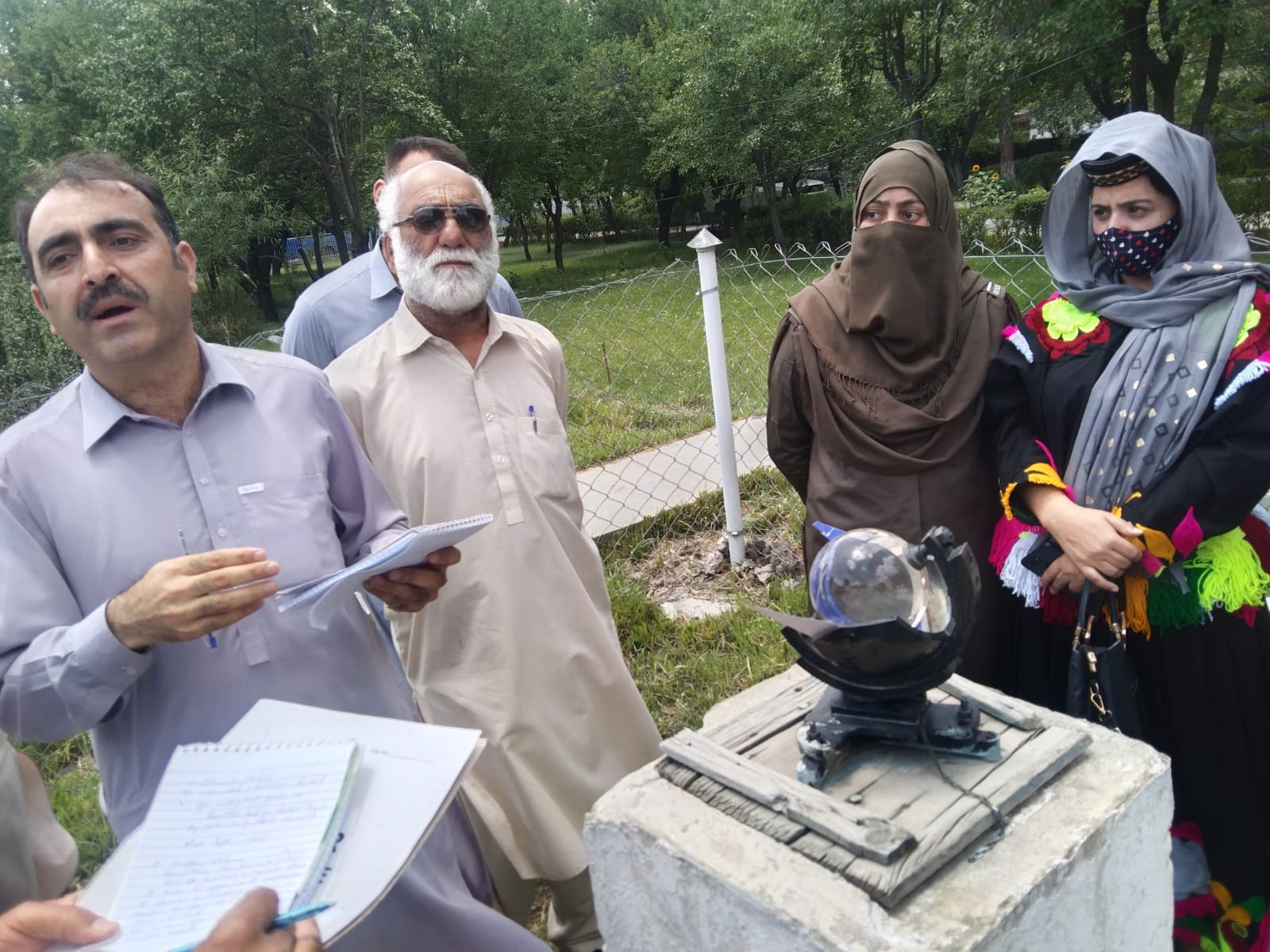
The United Nations Development Program (UNDP) organized a comprehensive three-day training in Peshawar and Chitral to equip officials from various government departments and community members with necessary knowledge and skills to effectively implement climate change adaptation measures outlined in the Climate Change Adaptation Action Plans and the National Climate Change Policy.
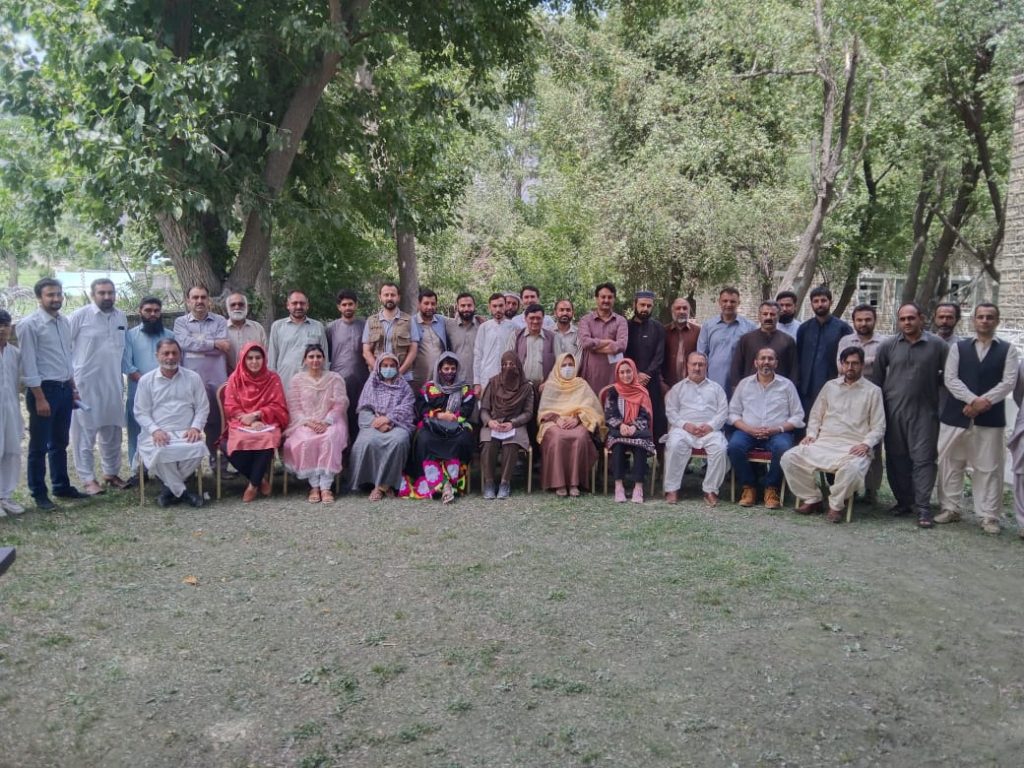
The training, organized under the UNDP’s GLOF-II Project, a joint initiative with the Ministry of Climate Change and supported by the Green Climate Fund, focused on enhancing participants’ understanding of disaster risk reduction and response, particularly on Glacial Lake Outburst Floods (GLOFs), and the impacts of such disasters on women, children and differently-abled persons.
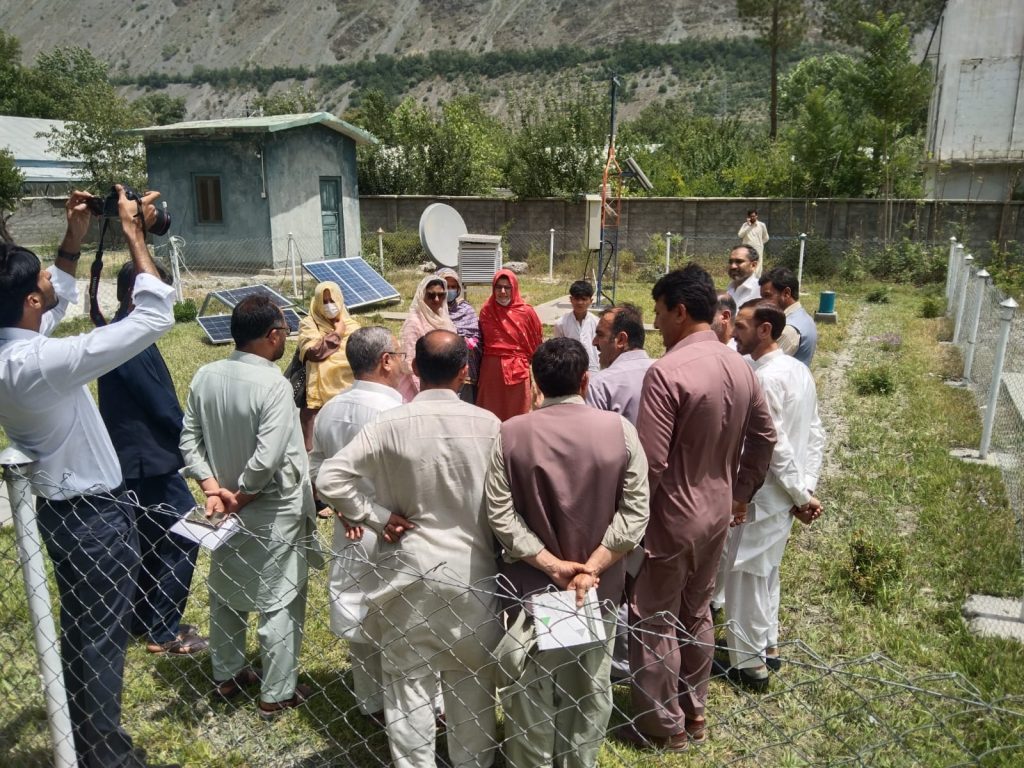
The participating community members were drawn from the GLOF-II Project valleys, and are active members of the project’s community based disaster risk management committees. Enhancing their understanding on climate-induced disasters (such as GLOFs) through CCAP trainings further ensures sustainable climate action and strengthened climate resilience.
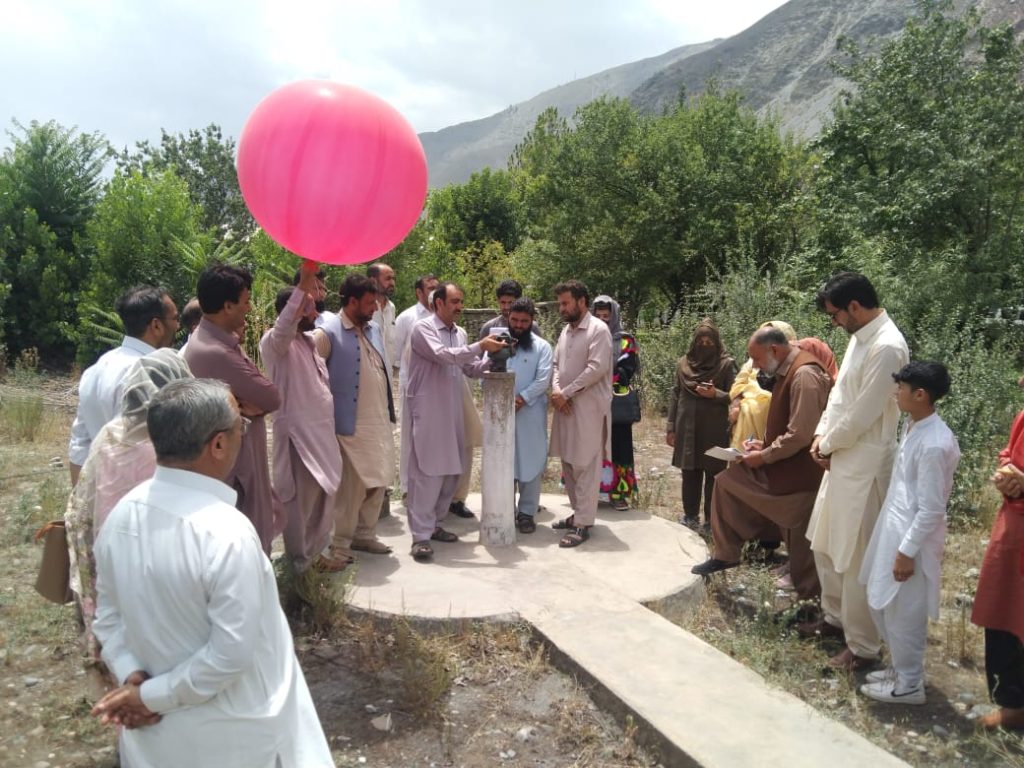
During the training, the participants were briefed on climate change indicators and future projections specific to Khyber Pakhtunkhwa (KP) and Gilgit-Baltistan (GB) regions. Moreover, valuable insights were shared on climate change, including evidential data, historical trends, and anticipated future changes influencing GLOFs in KP and GB.
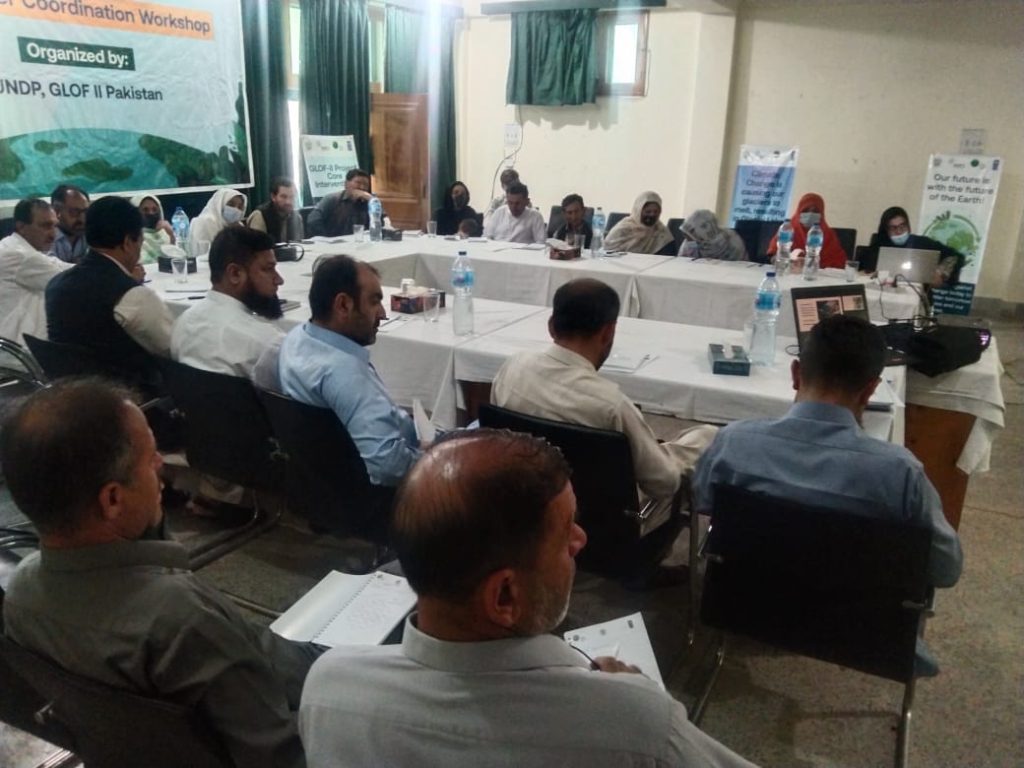
The training sessions also shed light on global and national climate change policies and frameworks. UNDP’s GLOF-II project operates in 16 valleys of Gilgit Baltistan and eight valleys in Khyber Pakhtunkhwa.
It empowers communities to identify and manage risks associated with GLOFs and related impacts of climate change, strengthen public services to lower the risk of disasters related to GLOF, and improve community preparedness and disaster response. The project also supports development of sustainable options for livelihoods in project areas, with a particular focus on the participation of women in ensuring food security and livelihoods. – Bulletin Report
About The Author